

Osteochondrosis is the most common neurological diagnosis.
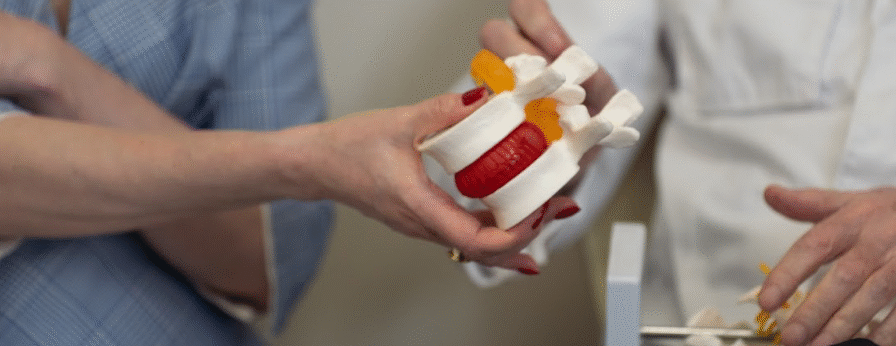
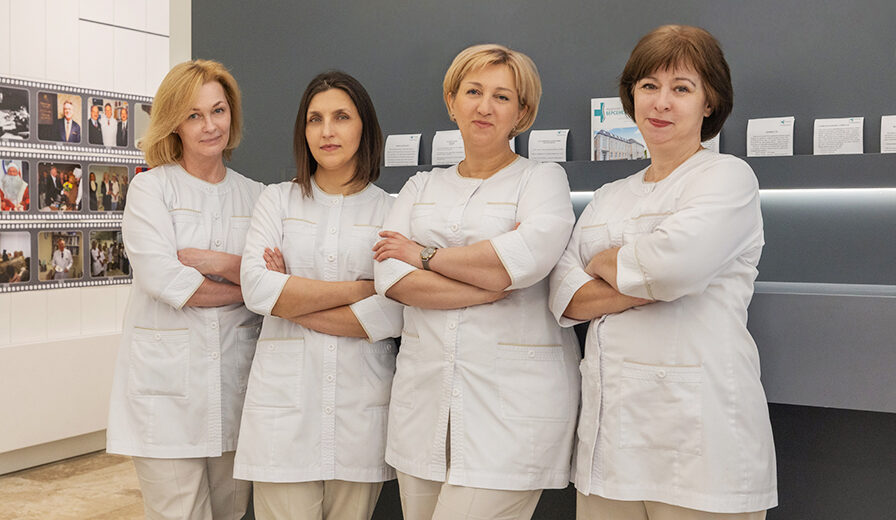
Osteochondrosis, which doctors refer to as “degenerative-dystrophic changes in the spine,” is inevitable for all of us. Essentially, it is the thinning of the intervertebral disc. Does osteochondrosis need to be treated? Is prevention possible? What should you do if pain occurs? Margarita Prokhorova, a neurologist at the Bersenev Medical Center, answered the most pressing questions about osteochondrosis.

— Osteochondrosis is often called a disease that humans have “earned” as a result of evolution. And practically everyone encounters it in one way or another. Are we all doomed to back pain as we age?
— Unfortunately, that’s true. No one is immune to osteochondrosis, but I wouldn’t call it a disease. Speaking in layman’s terms rather than a doctor’s, osteochondrosis can be described as a natural process that our musculoskeletal system—the spine—undergoes.
Imagine a car that’s used a lot. How can you avoid wear and tear on the parts? Only by putting it in the garage and never driving it anywhere. But, unlike a car, a person cannot spend their life in a completely passive state. Therefore—sooner for some, later for others—osteochondrosis catches up with all of us. And our task is to do everything possible to ensure that its symptoms appear as late as possible and as minimally as possible.
Osteochondrosis usually doesn’t manifest itself on its own, so there’s no need to treat it.
— Experts note that diseases are “getting younger” these days. In your practice, at what age do people start experiencing back pain?
— Osteochondrosis has indeed become more common in younger people in the 21st century, and this is primarily due to a sedentary lifestyle, poor diet, and excessive physical strain. It is precisely these factors—excess weight and overexertion—that are the main causes of the “acceleration” of osteochondrosis. And while it used to manifest after the age of 35–40, today about 40% of people show signs of osteochondrosis by the age of 35 or even earlier. Thirty-year-old patients with back pain are no longer a rarity.
— Is all back pain a sign of osteochondrosis? What conditions, in turn, are most often caused by osteochondrosis?
— Most often, against the backdrop of existing osteochondrosis, protrusions or extrusions (herniations) develop; it is then that a person experiences pain of varying intensity and location, often accompanied by symptoms of numbness, and sometimes weakness in the limbs, etc.
Pain caused by complicated osteochondrosis often manifests itself during physical exertion, sudden movements, or awkward postures. Sometimes osteochondrosis “behaves” insidiously; it is even called a chameleon: the pain can mimic a heart attack, gastritis, and even appendicitis! That is why I want to warn you once again: do not self-diagnose!
— Does regular exercise help with this condition? Massage? Special massage chairs?
— Exercise comes in many forms. If we’re talking about Pilates, yoga, calisthenics, gymnastics, various types of stretching, and other moderate and balanced forms of exercise, then absolutely, yes. But if you’ve decided to train with dumbbells, lift a barbell, or engage in sports involving sudden movements, such activities can accelerate and worsen osteochondrosis. For the prevention of osteochondrosis, both massage and therapeutic exercise are recommended, but you should always start by optimizing your weight.
However, if pain occurs, I do not recommend massage, massage chairs, or—especially—sports without a doctor’s permission. Because there are conditions where they can be harmful and are generally contraindicated. In particular, certain musculoskeletal disorders and acute inflammatory processes can worsen as a result of massage, and even more so from exercise.
— Who is at risk of developing osteochondrosis?
— To reiterate, almost everyone—nearly 100% of people—develops osteochondrosis in middle age, but it tends to affect those who are significantly overweight and put excessive strain on their spine earlier than others.
— What are the most popular and effective methods for treating osteochondrosis today?
— If osteochondrosis isn’t causing any symptoms, there’s no need to treat it. Lead a healthy lifestyle, watch your diet, balance work and rest, and exercise moderately. It is the syndromes that require treatment and further preventive measures. There is no single method; it all depends on the type of syndrome.
The most important thing in treatment is a comprehensive approach. If you feel that the pain has started to bother you more often, does not go away after rest or sleep, and the area and intensity of the pain are increasing, then it is time to see a specialist.
— Can popular dietary supplements prevent the disease?
— It’s naive to think that vitamins and dietary supplements can protect you from the consequences of osteochondrosis if you lead an unhealthy lifestyle, eat fast food, carry heavy boxes and suitcases, and sit in a chair in front of a computer all day long.
Dietary supplements can be used to support the immune system and restore the balance of nutrients and minerals. However, no vitamins, dietary supplements, or medications should be taken indiscriminately without first ensuring that your body actually needs them.
An excess of vitamins and minerals can do you more harm than a deficiency. Therefore, take only medications prescribed by a doctor after tests and an examination.







 by bus No. 7 (on weekdays)
  by bus No. 181
  by trolleybus No. 6, 16, 18