

The purpose of the event was to draw attention to the global problem of the deteriorating health of Ukrainians and, specifically, the rise in neurological disorders across all age groups.
According to studies conducted over the past two years at the initiative of various influential groups (the Olena Zelenska Foundation, the pharmaceutical company Darnitsa, the Ministry of Health of Ukraine, and others), about 50% of Ukrainians have become significantly less concerned about their health, and some have completely neglected this aspect of their lives.
Anna Arkadievna Plavenchuk:
The Bersenev Medical Center is a clinic with a rich tradition
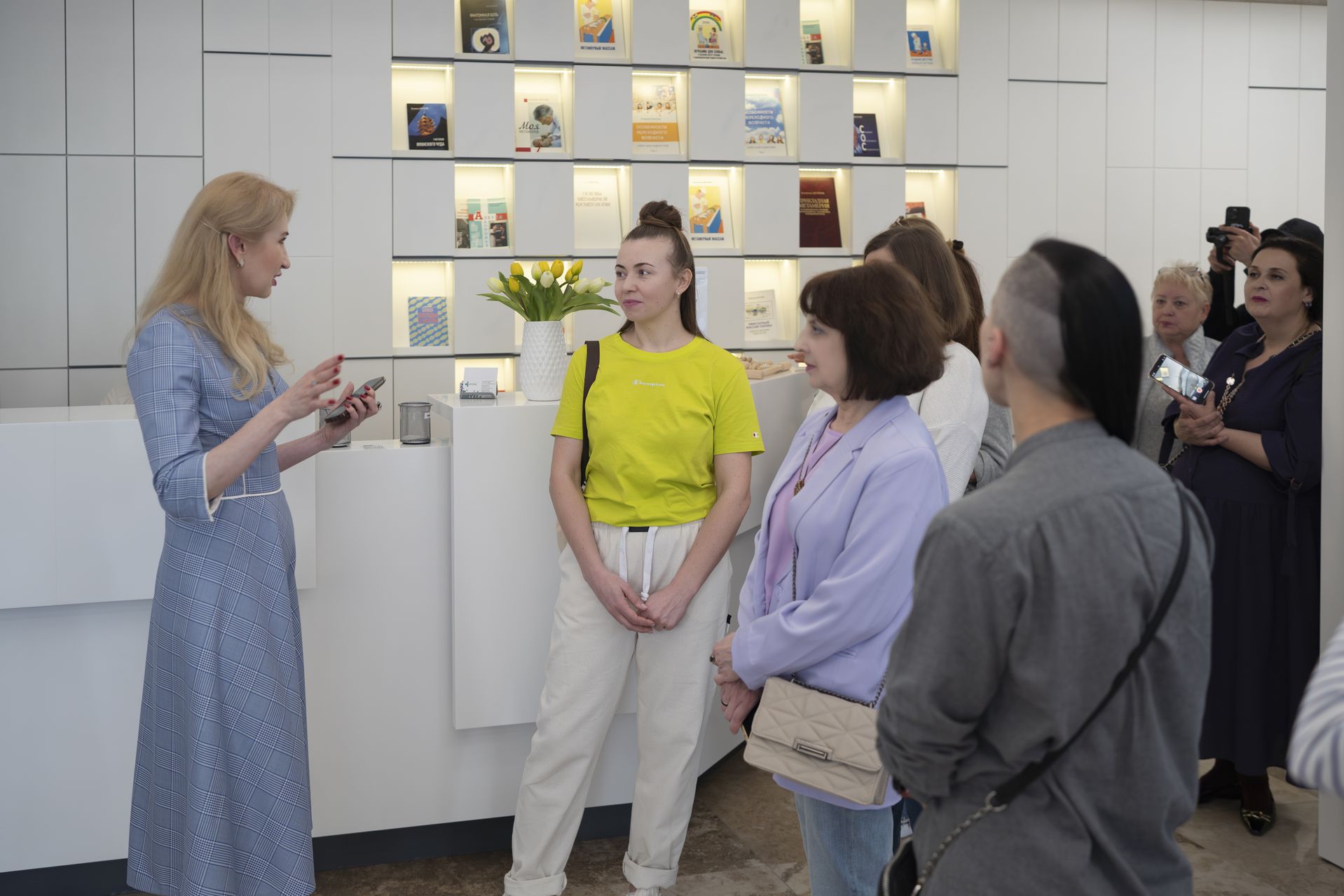
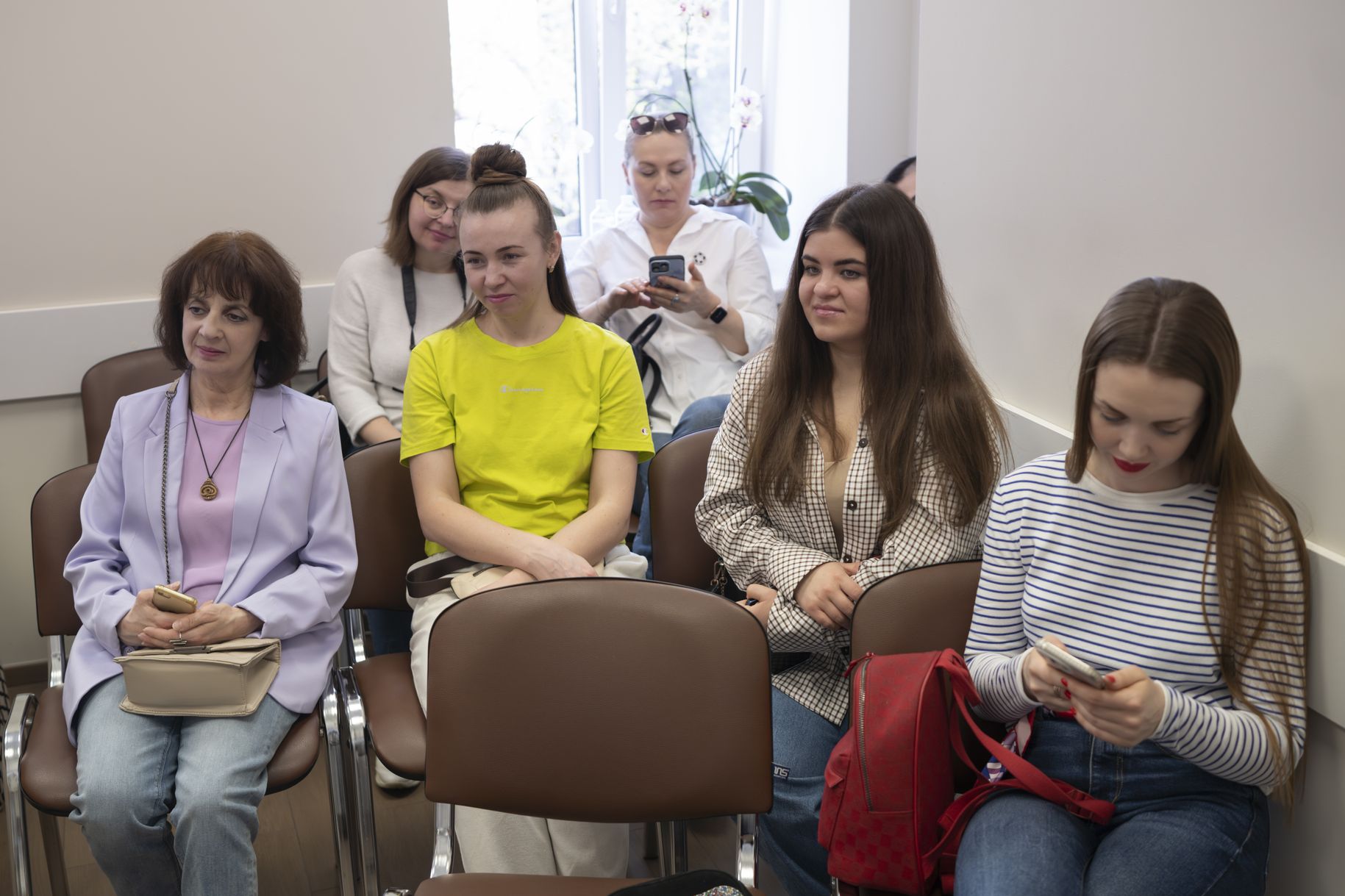
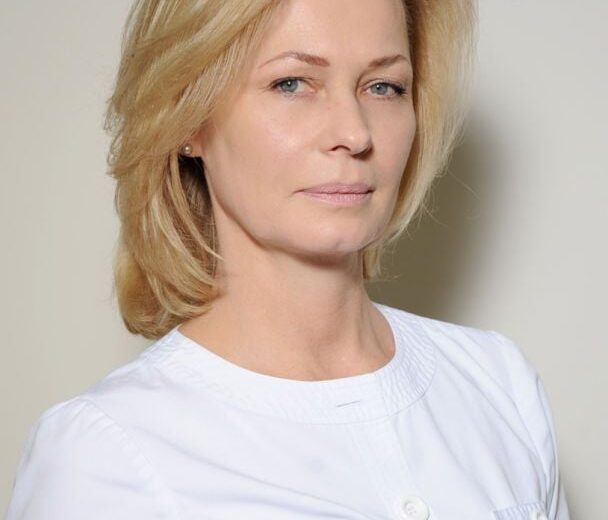
The meeting was opened by Anna Arkadievna Plavenchuk, director of the Bersenev Medical Center. She gave journalists a tour of the center and spoke about the core principles that have guided its work for many years—principles that have allowed the clinic to remain competitive for so long.
Anna also mentioned that a sense of intergenerational connection is palpable within the clinic itself; our patients bring their children for consultations, and later their grandchildren. Simply for routine check-ups—not necessarily for treatment—to ensure that everything is in order.
Volodymyr Bersenev:
I’ve been treating people for as long as I can remember
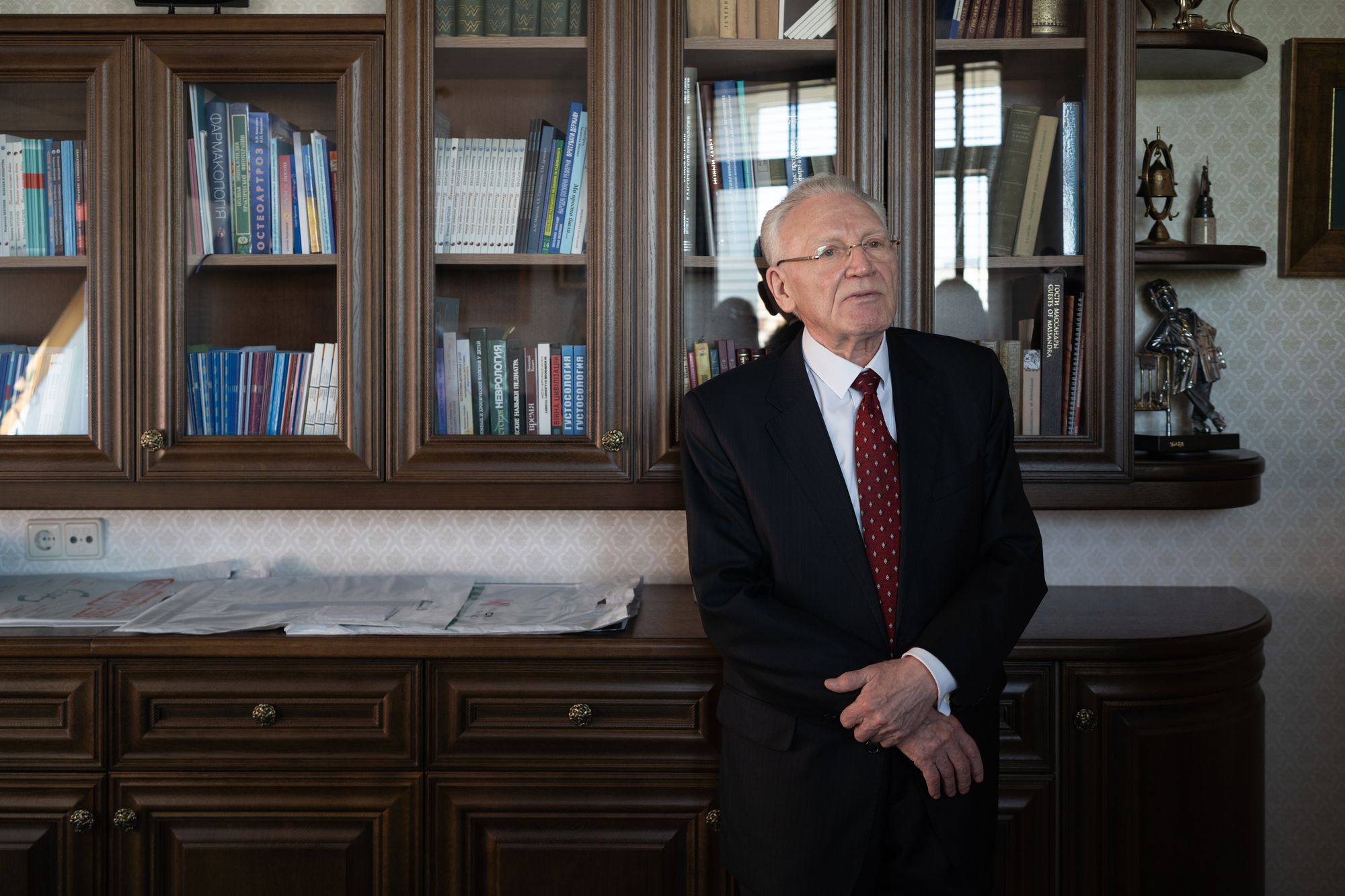
Honored Doctor of Ukraine, creator of the metameric treatment method, and author of over a hundred medical books, Volodymyr Andriyovych Bersenev knows everything about back problems and the nature of pain. Once again, he raised a serious issue regarding the culture of caring for one’s spine, which, unfortunately, is practically nonexistent in Ukraine, whereas in many countries it is practiced from childhood. For example, the doctor is certain that one should absolutely not engage in strength sports until the age of 21! “Muscle and nerve cells need rest; you can exercise them, but you must not overwork them…” the doctor emphasized.
The doctor also spoke about his proprietary treatment method and how he developed it.
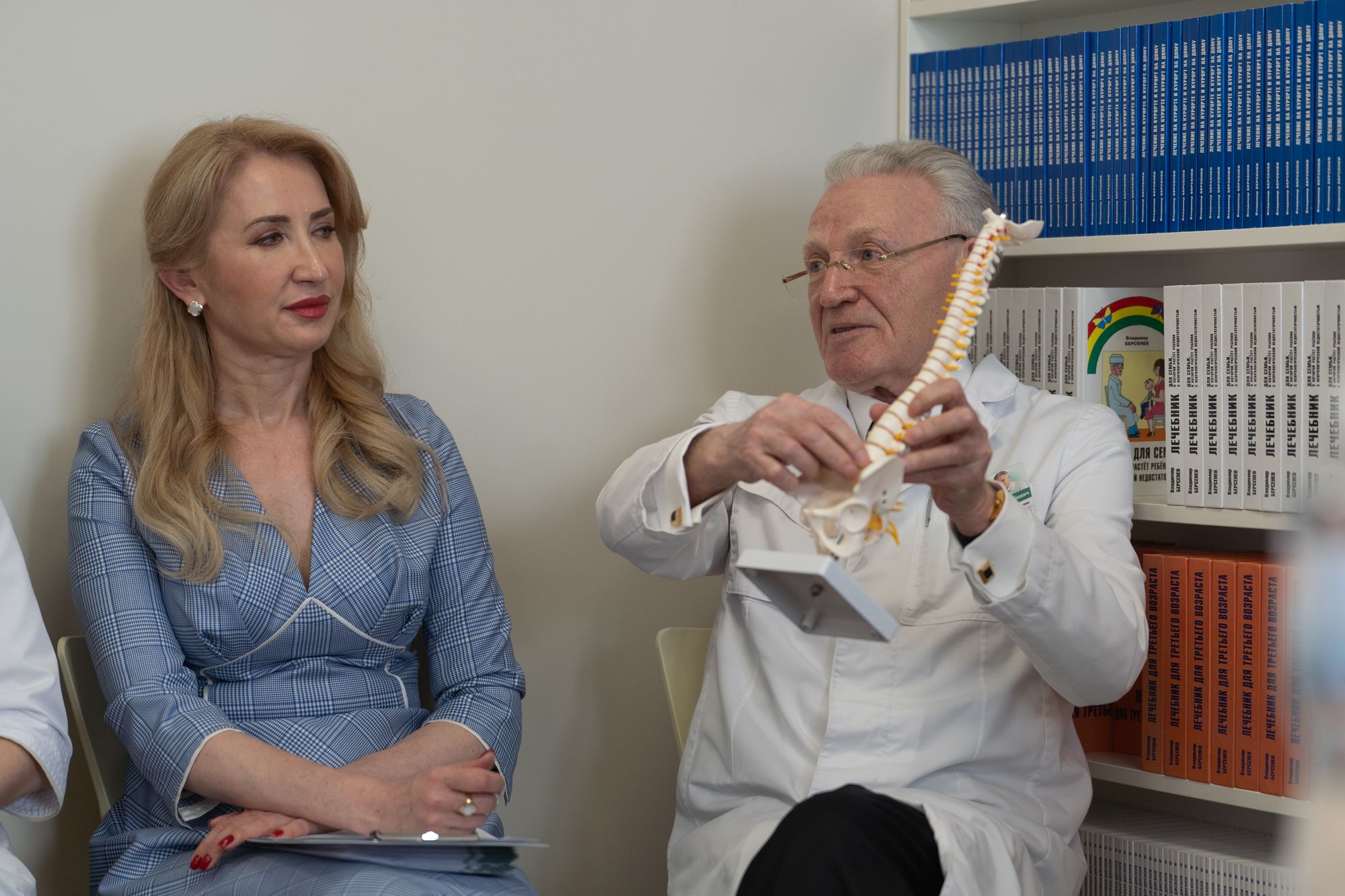
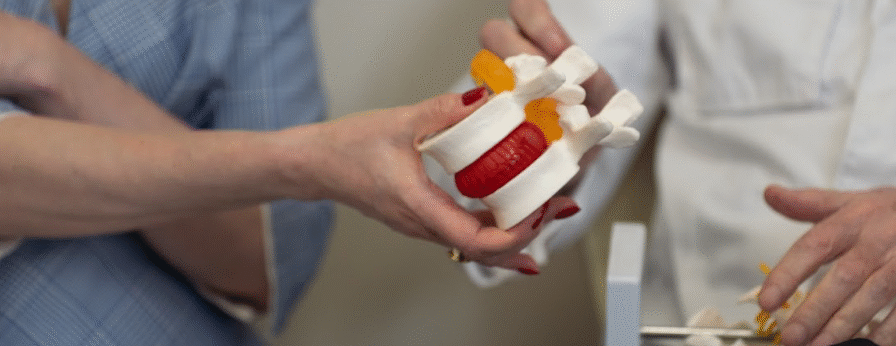
Each point is of paramount importance; it is a reflex zone, and the medication itself has a neurotrophic effect, meaning it improves the function and nutrition of nerve cells. Thus, the main processes—namely, sensory (pain, numbness), reflex (muscle, vascular, and duct tone), and trophic (tissue nutrition)—in the compromised area return to normal. There are a total of 33 metameric zones, that is, 33 areas on each side of the human body that we can influence depending on the person’s symptoms and condition.
Margarita Prokhorova:
We don’t treat MRI scans; we treat people
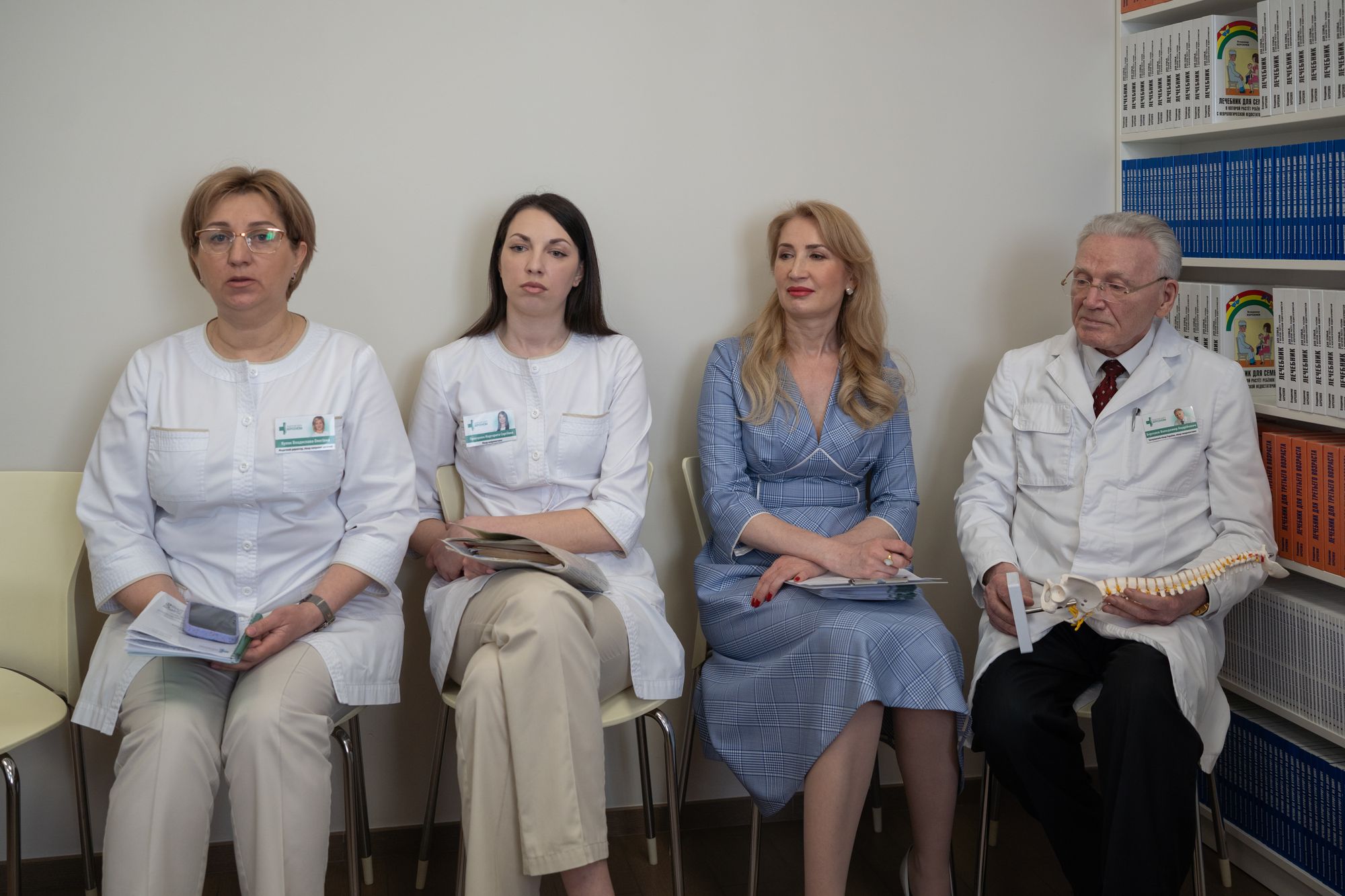
Margarita is one of the new generation of neurologists at the Bersenev Medical Center, a student of Vladimir Andriyovych, who decided to choose this specialization after meeting Dr. Bersenev and being inspired by his ideas. Margarita noted that, unfortunately, it is impossible to stop the processes of spinal degeneration that occur with age; therefore, osteochondrosis is considered more of a condition than a diagnosis, and none of us has a perfect MRI. That is why an individualized approach and the most precise and comprehensive treatment are essential.
Vladyslava Olegivna Kulik:
A generation is growing up with their heads tilted—this is our main problem right now…
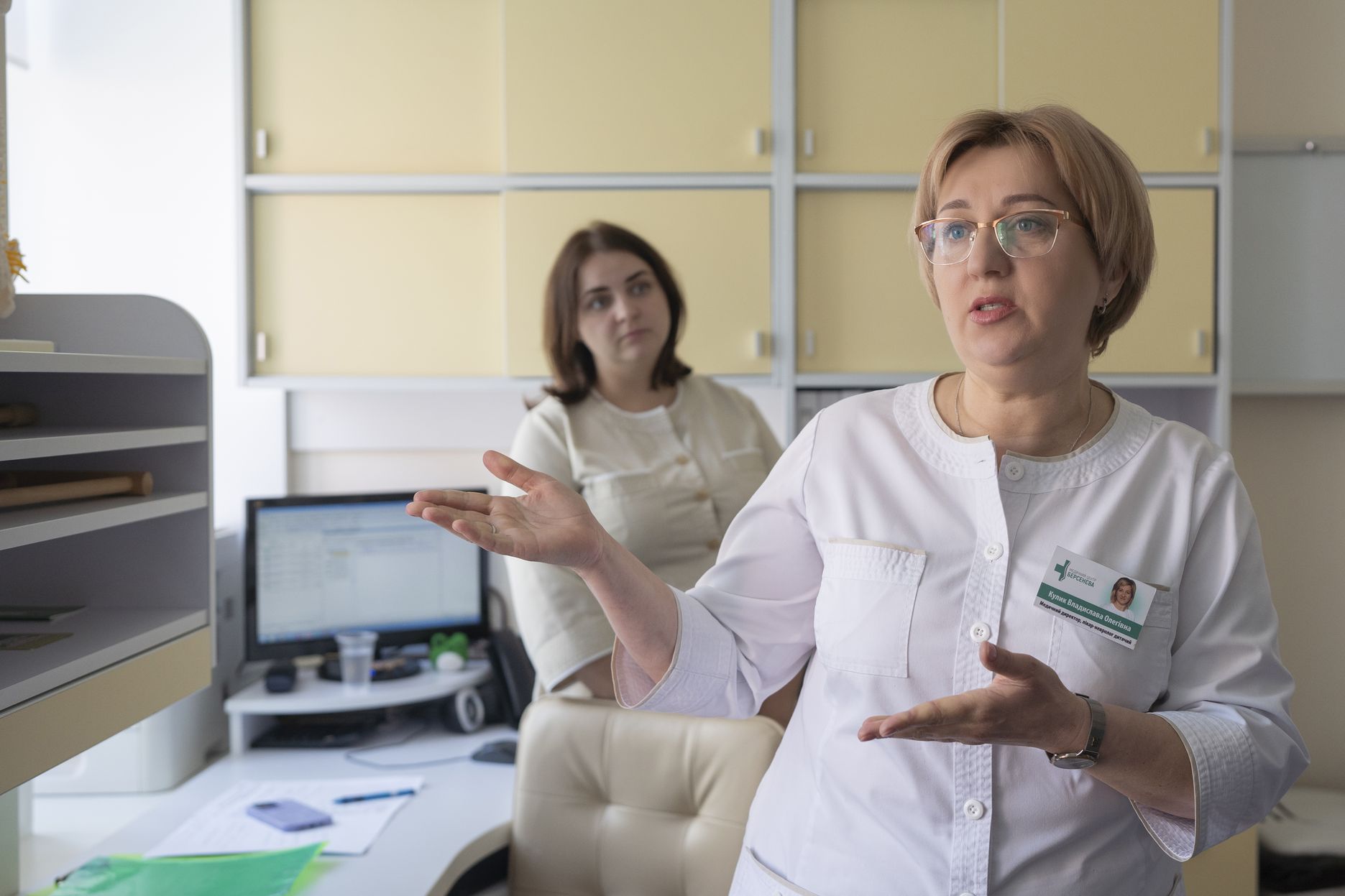
Vladyslava Kulik, Candidate of Medical Sciences, Medical Director of the Pediatric Department, pediatric neurologist, who worked for many years as a pediatric oncologist. Her experience in oncology is of great help to Vladyslava Olegivna, as a number of neurological symptoms can be signs of tumor processes even in the early stages. Vladyslava Kulik has saved many lives—she enjoys the deep trust of parents and the love of her young patients.
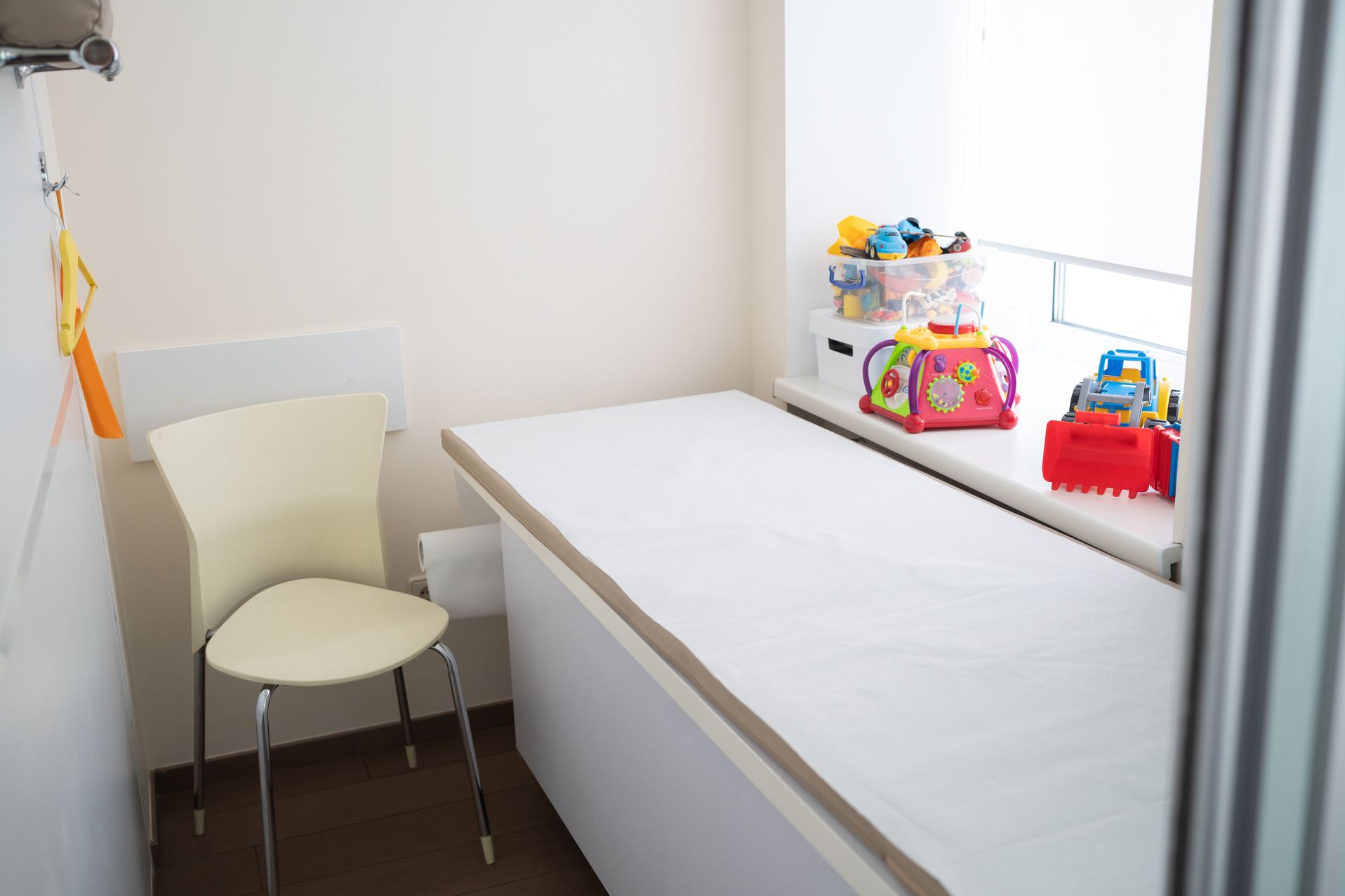
Vladyslava Olegivna explained that since the war began, the number of children seen by the neurologist has increased. These were children who, before the war, were considered healthy or had only minor neurological issues. However, with the onset of the war—amid chronic stress, fear, separation from fathers, family, and friends, and relocation— they developed or experienced worsening neurological and psycho-emotional disorders, such as: anxiety, fears, nightmares, stuttering, enuresis (bedwetting), tantrums, emotional instability, and headaches.
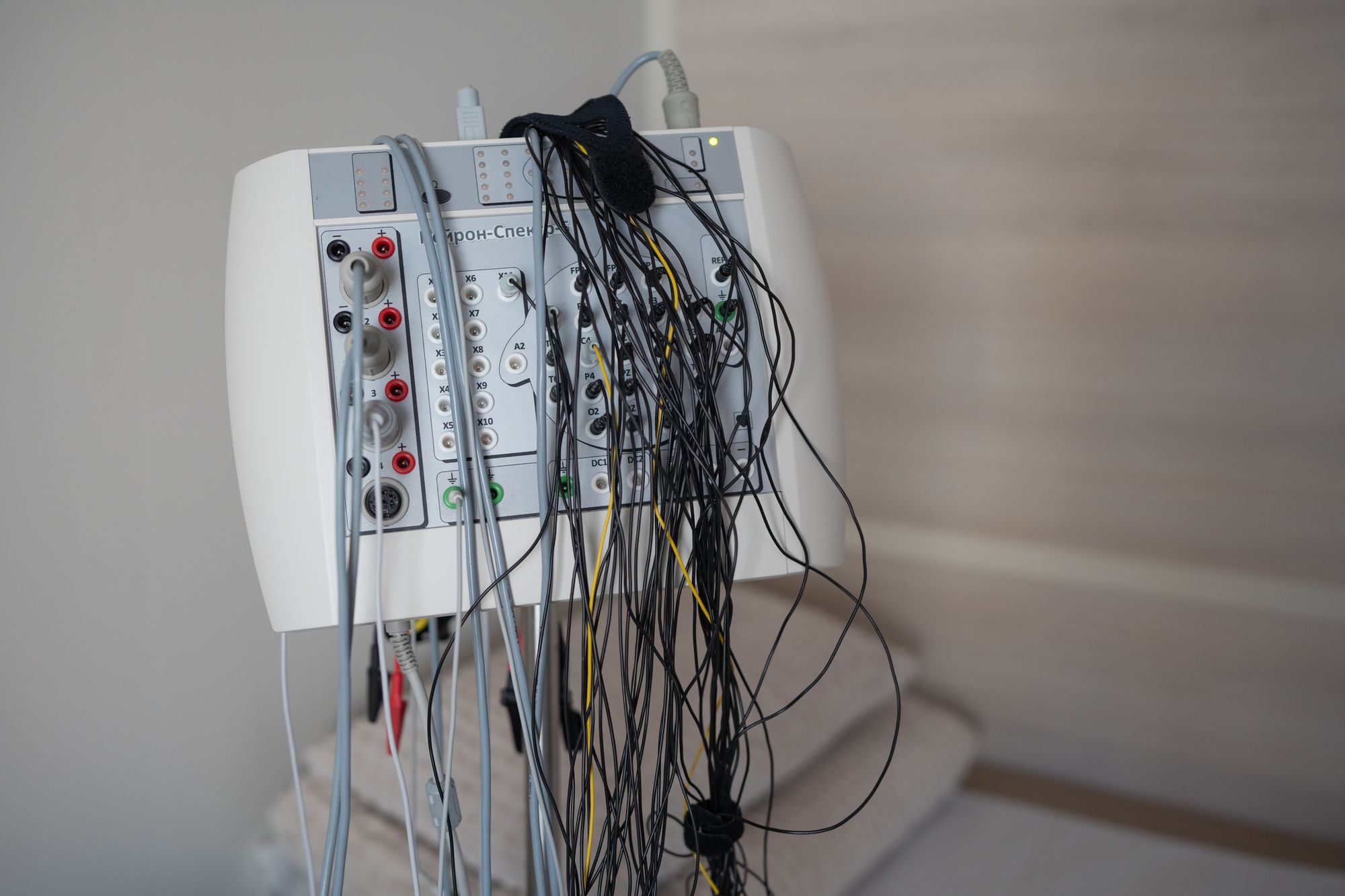
But the biggest problem today is that a generation is growing up with their heads down. Gadgets have long since replaced active play, but COVID-19 and the war have exacerbated the situation, resulting in an increase in the number of children and adolescents complaining of headaches, neck and back pain, poor posture, deteriorating vision, emotional instability, dizziness, and loss of consciousness. Unfortunately, parents do not always understand the complexity of the consequences of “tilted heads” for children, and therefore have mixed feelings about the need to limit screen time in their children’s lives.
The Metameric Method in Simple Terms
The method used by the Bersenev Medical Center is metameric reflexology. In simple terms, it involves the targeted administration of microdoses of medications that have a neurotropic effect (i.e., they are absorbed only by nerve cells), a neuroprotective effect (i.e., they protect nerve cells from damage and the effects of negative factors), and a neurotrophic effect (improving the cell’s functional capacity and nutrition). As a rule, these medications consist of a complex of vitamins and amino acids.
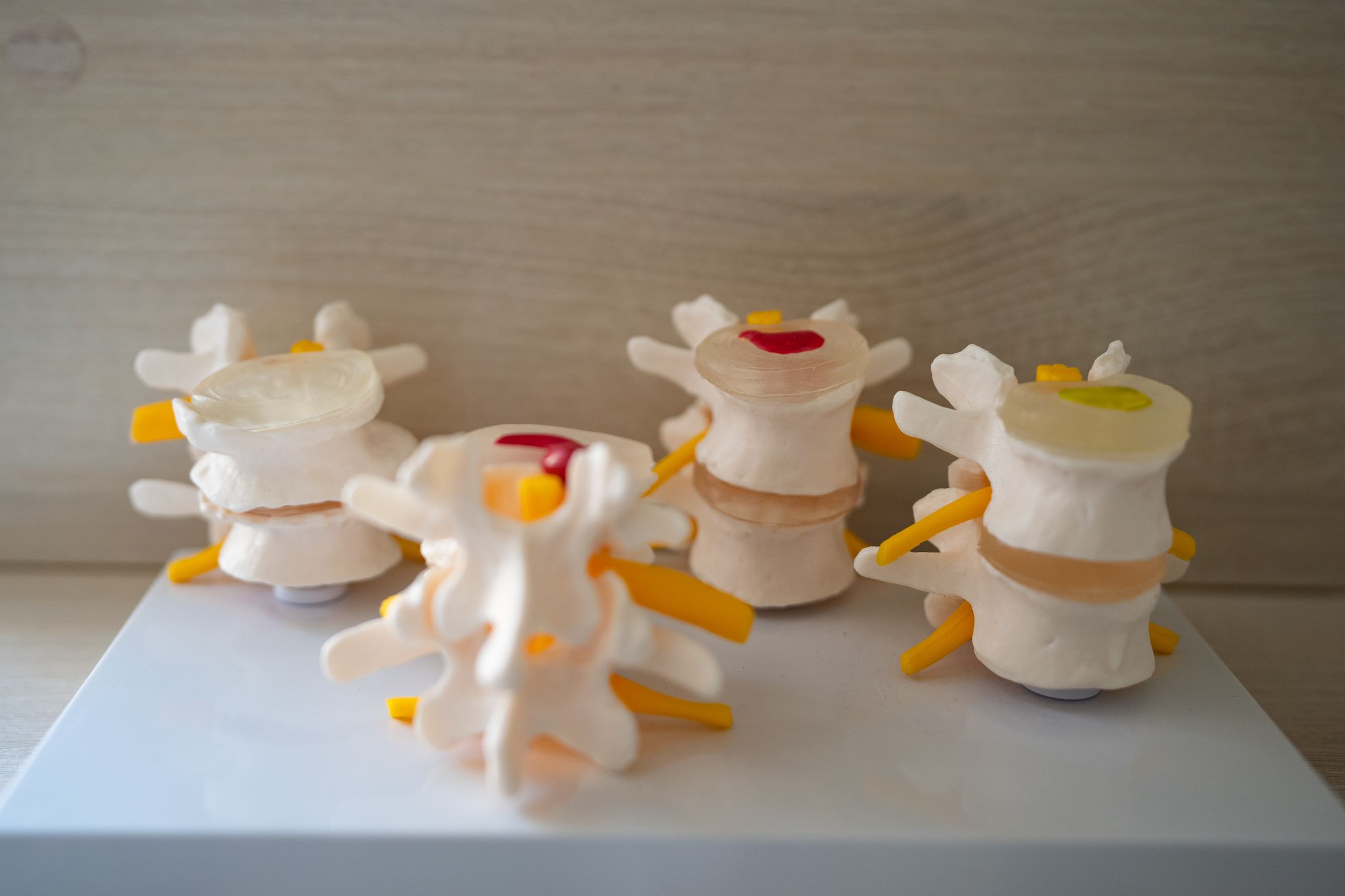
These medications are specifically designed to improve the function of nerve cells and the nervous system as a whole. Normalizing all the processes for which nerve cells are responsible helps reduce pain and numbness, as well as improve blood circulation and tissue nutrition.
The main goal is not to mask symptoms or suppress nervous system function, but rather to support and restore it.





 by bus No. 7 (on weekdays)
  by bus No. 181
  by trolleybus No. 6, 16, 18